
Johnson Progress
Zimbabwe is launching a sweeping crackdown on its mineral export sector after uncovering a sophisticated web of fraud in which mining companies systematically cheat the nation out of vital revenue by falsifying the quantity and value of shipments leaving the country.
The revelations, laid bare in parliament this week, have exposed a practice that officials say is robbing the state of millions in potential earnings.
Mines and Mining Development Minister Polite Kambamura confirmed that authorities have detected widespread cases where exporters are deliberately misrepresenting their consignments a dual-pronged scheme involving both under-declaration and under-invoicing of mineral shipments.
The practice is alarmingly simple yet devastatingly effective.
Under-declaration involves reporting a smaller physical quantity of minerals than what is actually loaded into shipping containers or trucks, allowing exporters to evade export taxes and royalties.
Under-invoicing, meanwhile, involves manipulating the declared value of the consignment, effectively lowering the transaction price to reduce tax liabilities and often facilitating illicit foreign currency transfers.
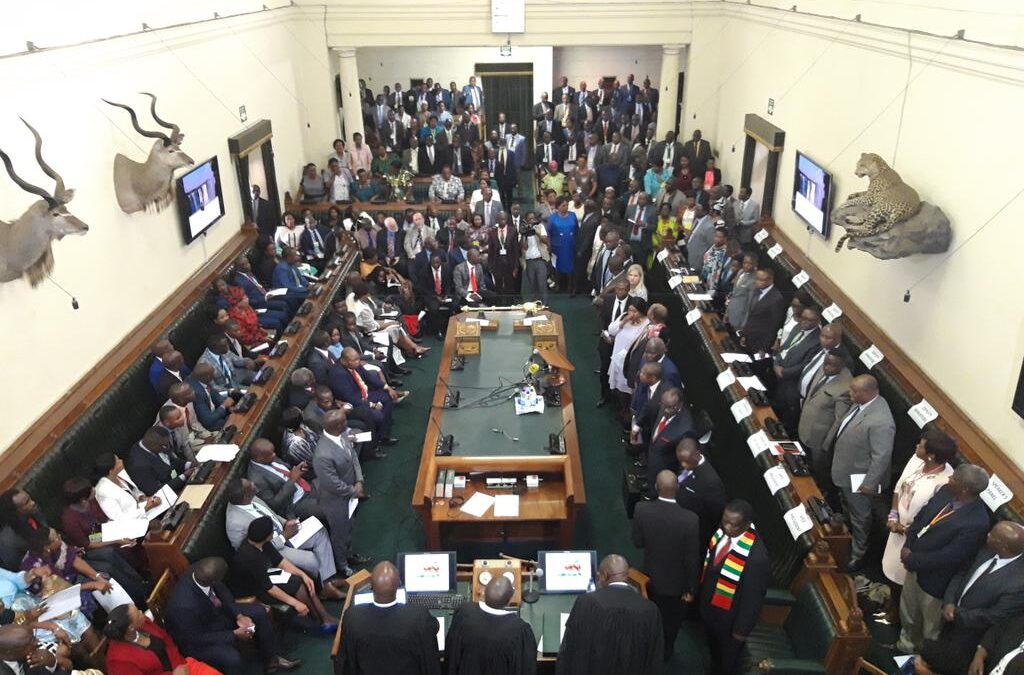
Addressing parliamentarians, the minister detailed the government’s aggressive response to the crisis.
He emphasized that the administration is moving swiftly to close the loopholes that have allowed these fraudulent activities to persist.
“We have detected cases where exporters are under-declaring the minerals they ship and undervaluing their consignments,” Kambamura said, confirming that the government has concrete evidence of the malpractice.
He stated that the Minerals Marketing Corporation of Zimbabwe is taking the lead in fortifying the nation’s export monitoring infrastructure.
To combat the fraud, authorities are deploying an array of technological and physical enforcement measures.
Scanners are now being installed at key border posts, enabling officials to verify that the contents of each consignment match the accompanying paperwork.
Simultaneously, the government is rolling out weighbridges along major highways and at ports of exit, with the aim of independently determining the actual weight of mineral exports.
“This is a multi-agency effort,” Kambamura noted, explaining that the Ministry of Mines is working closely with the Ministry of Transport and the state minerals agency to establish these verification systems.
He said the goal is to give authorities additional tools to cross-check exporters’ declarations against the physical goods being transported.
The crackdown does not stop at the border. The government is also intensifying aerial surveillance using drones along the country’s frontiers, a move designed to curb rampant mineral smuggling, which often operates outside formal declaration systems altogether.
The minister did not name the companies or individuals implicated in the fraud, nor did he disclose the total value of the affected exports or the exact amount of revenue lost to the state.
However, his comments signaled that the government views the theft of mineral resources as a serious economic crime.
In a stern warning to the industry, Honorable Kambamura made it clear that exporters caught cheating would face severe repercussions.
He stated that those found guilty of under-invoicing their consignments would be hit with heavy financial penalties.
More drastically, he hinted that the government is prepared to revoke the mining rights of repeat offenders, effectively shutting down their operations.
The new enforcement regime marks a significant shift in how Zimbabwe manages its mineral wealth.
Rather than relying solely on paperwork submitted by exporters, authorities are now prioritizing physical verification of shipments as they leave the country.
This hands-on approach is intended to ensure that the state receives its fair share of the revenue generated from the nation’s finite resources.
The minister’s disclosure underscores a growing determination within the government to assert control over the mining sector, which has long been plagued by allegations of corruption and illicit financial flows.
With scanners, weighbridges, drones, and punitive fines now forming the backbone of the enforcement strategy, the administration is signaling a zero-tolerance stance on mineral export fraud.
The message to the mining industry is unambiguous: the days of the dirty numbers game are numbered.


0 Comments