
Tafadzwa Nyikadzino
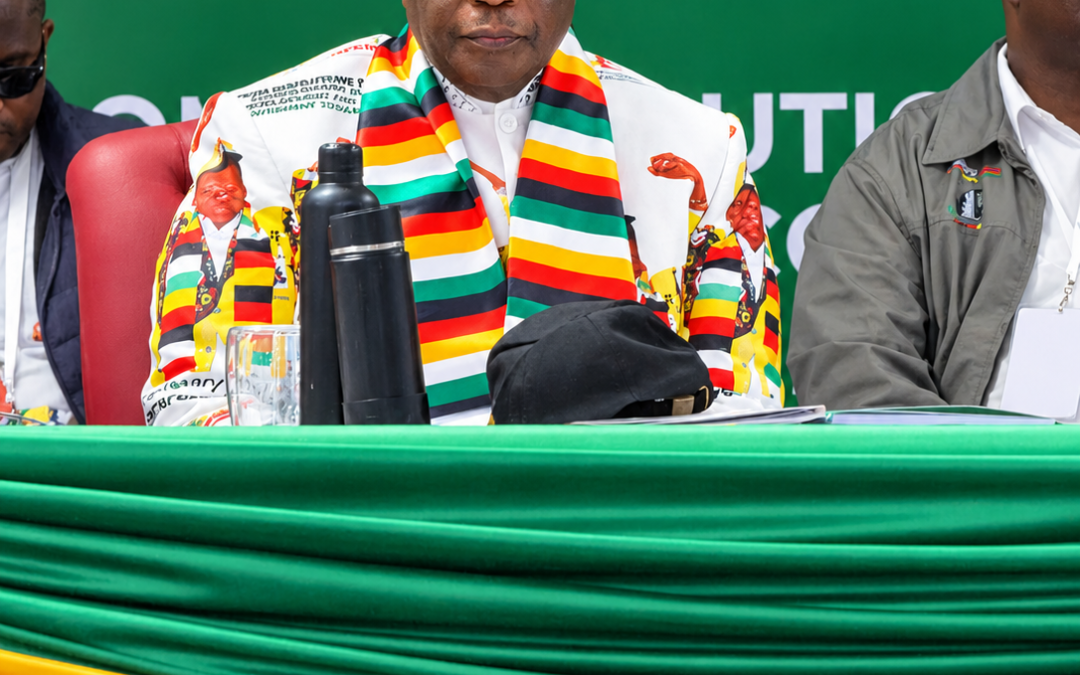
Government says sustainable industrialisation is central to Zimbabwe’s economic growth, as regional delegates meet in Harare for the COMESA Green Industries Connect Conference.
Addressing the conference, the Minister of Industry and Commerce Mangaliso Ndlovu said the gathering comes at a defining moment for the region as it intensifies efforts to expand manufacturing, mobilise investment, strengthen regional value chains and create sustainable employment.
The Minister said Zimbabwe’s industrialisation agenda is anchored in Vision 2030, the National Development Strategy 2 (NDS2), the Zimbabwe National Industrial Development Policy 2 (ZNIDP2) and the Local Content Strategy.
“We are pursuing an industrialisation pathway that maximises domestic value addition, strengthens local production, expands exports and creates decent jobs, while promoting the efficient use of energy, water and raw materials,” he said.
He said industries must become more efficient, competitive and environmentally responsible by optimising energy efficiency and transforming waste into recycled productive goods.
He revealed that Zimbabwe is working with the Climate Technology Centre and Network on a National Decarbonisation Roadmap for the cement sector, with similar opportunities in iron and steel, mineral processing and other manufacturing industries.
Recent investments in renewable energy, energy-efficient machinery and water-recycling systems are already lowering production costs and improving industrial competitiveness, he said.
The Minister noted that COMESA has established a foundation for green industrialisation through its Industrialisation Strategy and Action Plan, which prioritises agro-processing, leather, textiles, energy and mineral beneficiation.
He said COMESA Ministers for Industry and Investment, at their meeting on 8 September 2026, committed to an inclusive transition to a circular economy, the implementation of the COMESA Green Pharmaceutical Manufacturing Strategy for 2026-2035, and stronger regional value chains.
He challenged member states to move beyond commitments.
“Our immediate responsibility is to convert these commitments into implementation… The success of this agenda will be measured not by the number of strategies adopted, but by the investments mobilised, factories modernised, resources used more efficiently, enterprises developed and jobs created,” he said.
In a key proposal, he called for the establishment of a COMESA Circular Economy Fund to support enterprises investing in cleaner production, energy-efficient equipment, recycling infrastructure and waste-to-value projects.
He said greater alignment of green standards, cooperation on product testing and improved conformity assessment would reduce compliance costs and facilitate movement of goods across borders.
On emerging opportunities, he said COMESA countries should position themselves in electric mobility value chains, including vehicle assembly, charging infrastructure, battery technologies and component manufacturing, supported by reliable electricity and safe battery recycling systems.
He cited Zimbabwe’s recent shipment of locally processed lithium sulphate to China as an example of moving up the value chain and retaining more value locally.
As Zimbabwe assumes its COMESA Chairmanship, he said government stands ready to work with member states, the Secretariat and the private sector to strengthen implementation.
“Together, we can build a COMESA region characterised by competitive industries, responsible resource use, stronger regional value chains and inclusive economic growth. Let us turn waste into value, innovation into investment and our shared resources into lasting prosperity,” he said.


0 Comments