
Johnson Progress
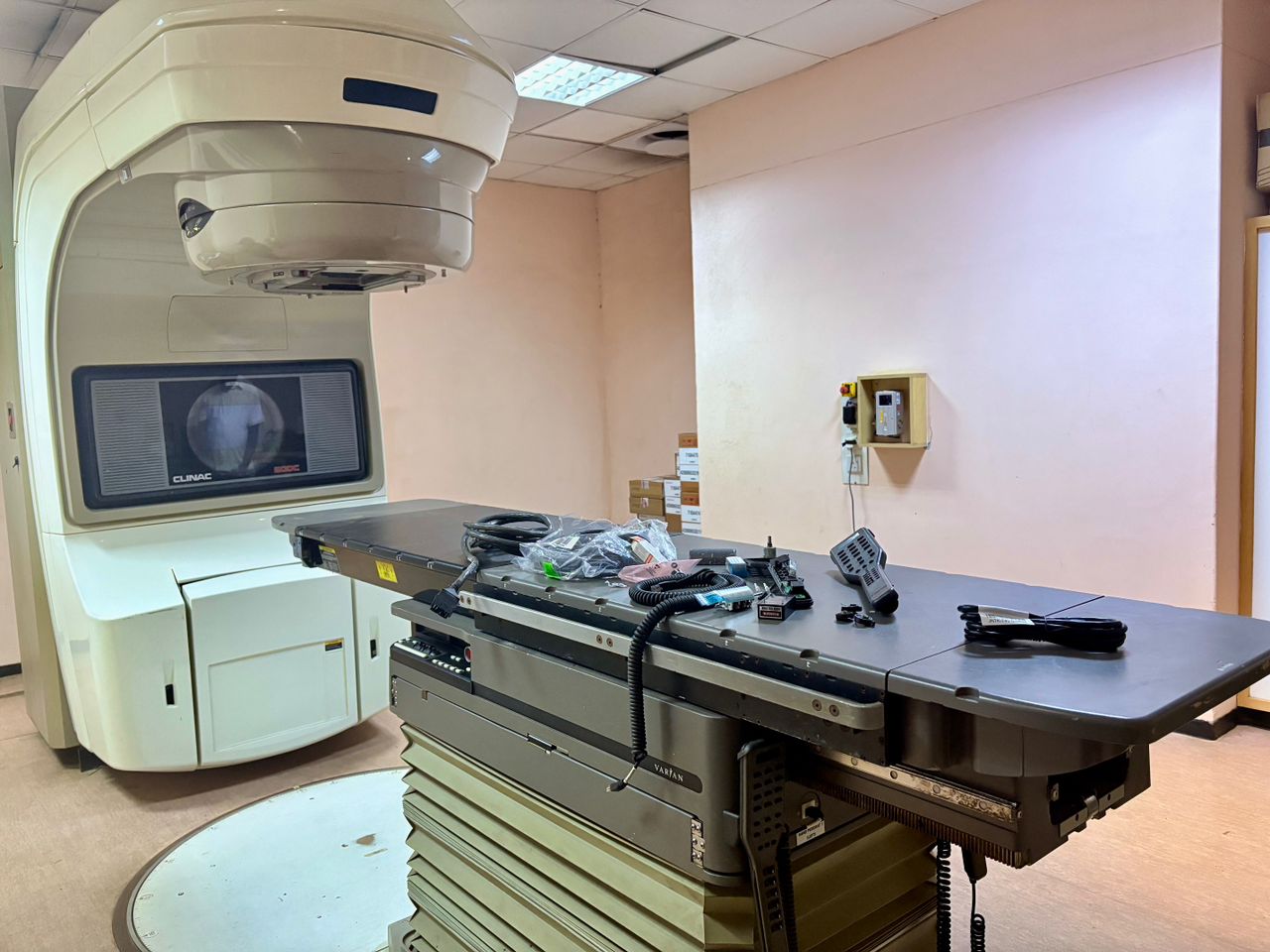
Zimbabwe’s largest referral hospital, Parirenyatwa, has revamped its Radiotherapy Centre, offering crucial cancer treatment services to patients nationwide.
The centre provides chemotherapy, brachytherapy for gynaecological cancers, and external beam radiotherapy for various cancer types, catering to up to 90 patients daily.
According to Dr. Nothando Mutizira, Head of Radiology at Parirenyatwa Group of Hospitals, cervical cancer is the most prevalent in Zimbabwe, accounting for over 30% of female cases, followed by prostate and breast cancer.
“We are offering chemotherapy services, brachytherapy for gynaecological cancers, and external beam radiotherapy for many different cancers,” Dr. Mutizira explained.
“The commonest cancer is cervical cancer, which affects most of our women, with over 30% of Zimbabwean women diagnosed with cancer having cancer of the cervix.”
Patients who have received treatment at the centre have expressed gratitude for the care they’ve received.
One patient, who wished to remain anonymous, said, “I came here very sick, hardly able to walk. It was a hard time, but I was well received and getting treatment here at almost no charge. I am much better now, thanks to Parirenyatwa hospital.”
Another patient from Zvimba echoed similar sentiments, “I am so happy I can get treatment here. It’s expensive to get treatment elsewhere, but Parirenyatwa gives me relief. I would advise anyone battling cancer to come here because you will get treated.”
Despite the progress, Dr. Mutizira highlighted challenges, including equipment breakdowns and staff shortages.
“We’ve had the challenge of a huge backlog because our machines were down for two years, and we’ve been trying to clear that backlog over the past year,” she said.
“We also have staff challenges; we currently have 12 radiographers and three medical physicists, which is a small number considering we’re treating about 90 patients a day.”
The government is working to address these challenges by reviving Mpilo Hospital’s radiotherapy services in Bulawayo, aiming to decentralize access to cancer treatment.
Authorities hope to increase staffing and improve equipment availability, enabling more Zimbabweans to access lifesaving cancer treatment in a timely manner.
As Dr. Mutizira noted, “We are currently treating about 90 patients a day, which is quite a huge number for that small number of radiographers. We also have a challenge with the low number of radiation or rather medical physicists.”
With efforts underway to bolster staffing and equipment, Parirenyatwa Hospital remains a beacon of hope for cancer patients across the country.


0 Comments