
Johnson Progress
The World Health Organization (WHO) has sounded the alarm on the ongoing global HIV crisis, with a staggering 44 million lives lost to the disease.
Despite progress in prevention and treatment, HIV remains one of the world’s biggest health challenges.
According to the WHO, “HIV is a virus that attacks the body’s immune system and is spread from body fluids of an infected person.”
The organisation notes that symptoms of HIV can vary, with some people experiencing flu-like illness, including fever, headache, rash, and sore throat.
The WHO warns that AIDS occurs at the most advanced stage of HIV infection, emphasising the importance of early detection and treatment.
With approximately 40.8 million people worldwide living with HIV, the organisation stresses that prevention and treatment efforts must be scaled up.
“HIV can be prevented and treated,” the WHO states, highlighting the importance of comprehensive prevention strategies.
These include using condoms, testing for HIV and other sexually transmitted infections, choosing medical male circumcision, getting safe help for injecting drug use, and taking pre-exposure prophylaxis (PrEP) medicine as an additional prevention option.
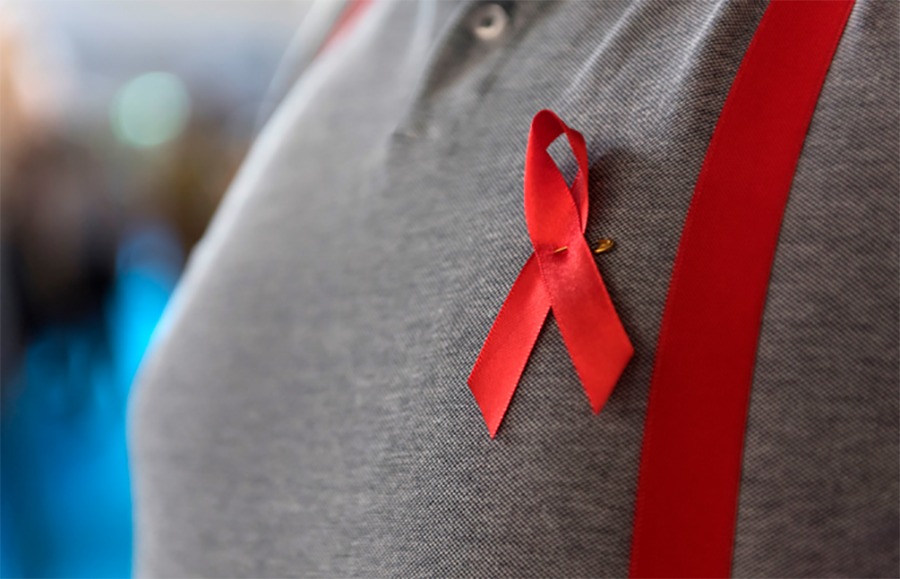
As the world marks World AIDS Day, the WHO calls for increased awareness and support for HIV prevention, treatment, and care.
“Let’s raise awareness of HIV and support access to prevention, treatment, and care for all,” the organisation urges.
The global community must come together to address the ongoing HIV crisis, ensuring that those affected receive the care and support they need.
With no cure in sight, prevention and treatment remain the best defences against this devastating disease.
The WHO’s message is clear: HIV is a preventable and treatable disease, and it is our collective responsibility to ensure that those affected receive the care and support they need to live healthy, fulfilling lives.


0 Comments