
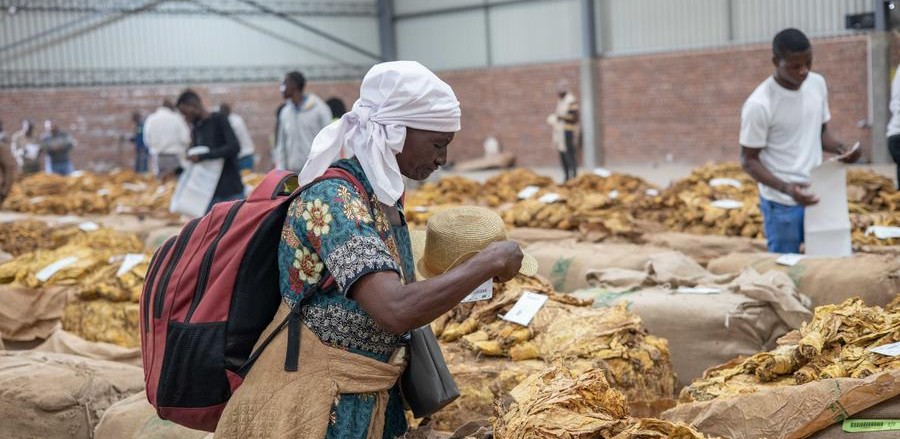
Tobacco farmers faced a devastating start to the 2026 marketing season this week as auction prices plunged by approximately 45 percent compared to the previous year, crushing hopes for strong household earnings and igniting widespread frustration among growers on the auction floors.
The dramatic drop in prices during the first days of trading has sent shockwaves through the agricultural sector, with farmers who had invested heavily in their crops now facing significant financial losses.
The decline represents one of the steepest season-opening price falls in recent memory for an industry that remains a cornerstone of Zimbabwe’s export economy.
Samuel Garaba, the Operations Manager at Premier Tobacco Auction Floors, confirmed the severity of the situation during a press briefing in Harare.
He revealed that the prices being offered to farmers were substantially lower than those recorded at the same time last year.
According to Garaba, the current prices are roughly 45 percent lower than those from the previous season.
He elaborated on the situation, noting that many growers had arrived at the auction floors with high expectations, only to have their hopes dashed by the disappointing bids.
The Operations Manager expressed concern about the psychological impact this would have on the farming community.
He observed that the low prices had negatively affected farmers’ morale, especially given the contrast with the stronger prices achieved during the last marketing season when growers enjoyed relatively favorable returns.
Garaba, however, offered a glimmer of hope for the weeks ahead.
He explained that prices could potentially improve if more buyers participate in the auctions, as increased competition among buyers often leads to better prices for growers.
His comments suggested that the current price slump might be partially attributed to a limited number of active buyers in the early stages of the season.
The frustration among farmers was palpable at the auction floors, with many expressing anger over what they perceived as an unfair pricing system.
Growers who had traveled from various parts of the country to sell their golden leaf said the rapid decline in prices shortly after the season opened made it impossible for them to recover their production costs, which have risen sharply due to input price increases.
One veteran farmer voiced the collective disappointment, saying the sudden drop felt like a betrayal after months of hard work in the fields. He lamented that when input prices are high, farmers expect a corresponding return at the market, but the current prices were simply unsustainable.
Interestingly, the first bale of the season sold for approximately US$4.60 per kilogram, which was actually slightly higher than last year’s opening price.
This initial sale sparked a wave of optimism among those waiting to sell.
However, that optimism proved short-lived as prices began dropping sharply during subsequent sales sessions, catching many farmers off guard.
Zimbabwe remains one of Africa’s leading tobacco producers, and the crop continues to be a vital contributor to the country’s export earnings, providing foreign currency and livelihoods for hundreds of thousands of people in the agricultural value chain.
The government has previously announced ambitious plans to grow the tobacco industry into a US$5 billion sector by the 2025/2026 season, with a long-term target of producing 500 million kilograms of tobacco annually by 2030.
However, the current price collapse raises serious questions about the viability of those targets and the welfare of the smallholder farmers who form the backbone of the industry.



0 Comments