
The outbreak of the Persian Gulf War on 28 February 2026 has fundamentally ruptured the global energy equilibrium. With the Islamic Revolutionary Guard Corps (IRGC) sealing the Strait of Hormuz and Houthi forces—acting as Iranian proxies—poised to close the Bab el-Mandeb strait, we are now confronting a supply-side catastrophe: over 32% of global crude oil transit is effectively paralyzed.
The immediate result is runaway fuel pricing, felt acutely from Harare to Jakarta. Strategic Petroleum Reserves (SPRs) being released by Western and Asian economies are merely a palliative, not a cure. For Zimbabwe and the broader Global South, this crisis is not a temporary spike—it is a structural wake-up call.
The PetroDollar–PetroYuan Trap
For decades, oil-dependent economies have been held hostage by chokepoint geopolitics. Today, even access via the “PetroYuan” corridor (favored by BRICS+ allies) cannot bypass the physical closure of Hormuz. Fuel inflation cascades through every sector: mining haulage, agricultural mechanization, construction logistics, and public transport. Zimbabwe’s import-dependent fuel bill is hemorrhaging foreign currency reserves, crippling productive capacity.
The Lithium Dividend: Zimbabwe’s Strategic Escape Route
Here lies the opportunity. Zimbabwe possesses some of Africa’s largest lithium deposits—the non-negotiable bedrock of Electric Vehicle (EV) batteries. While others scramble for crude, we can leapfrog into an energy system decoupled from oil shocks.
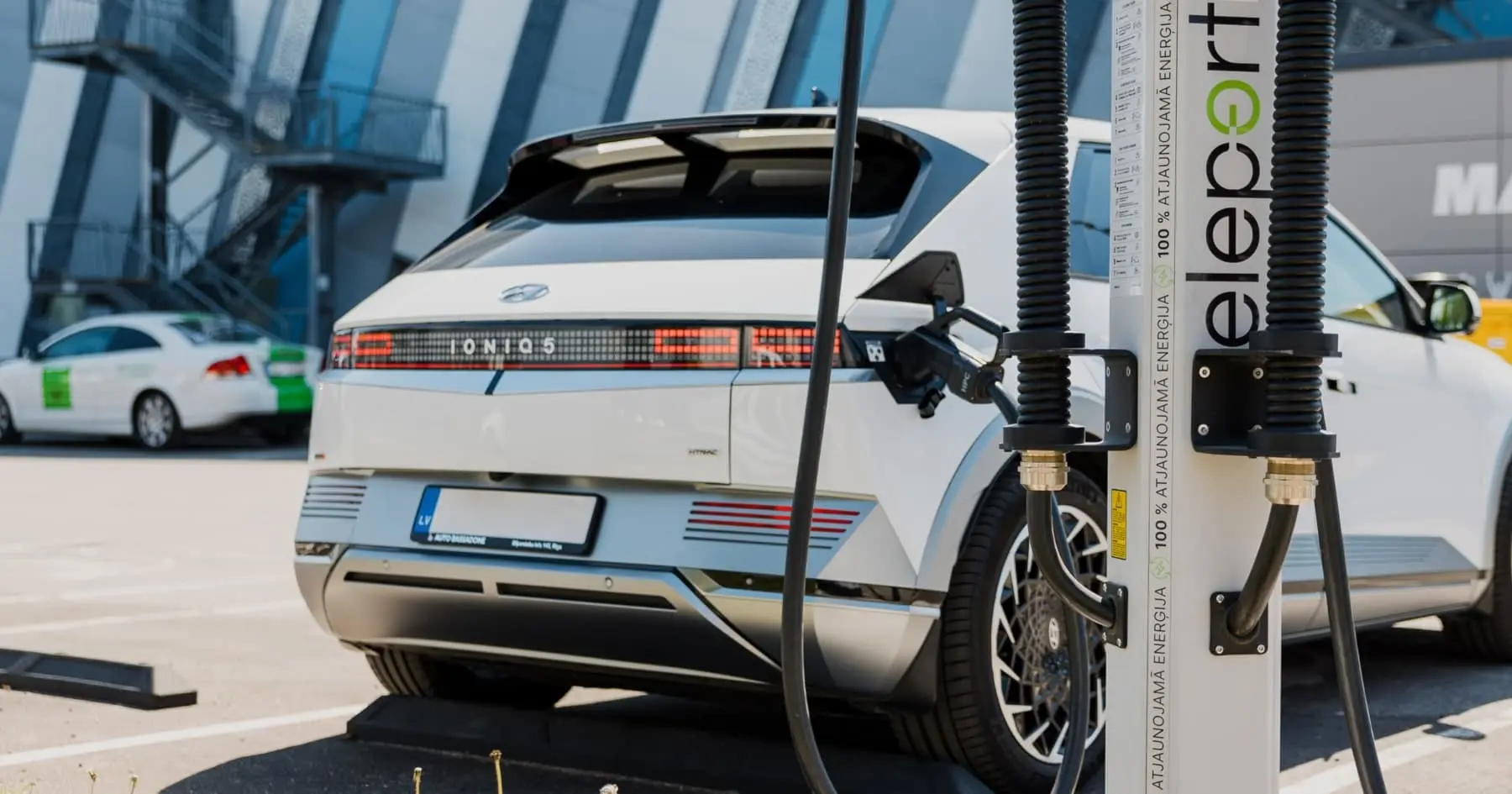
The transition to EVs is not an environmental luxury; it is a survival mechanism. EVs are immune to Strait of Hormuz closures. Their value chain runs on lithium, renewables, and localized charging infrastructure—not geopolitics.
Immediate Policy Prescription for Zimbabwe
1. National EV Mandate for Public Transport
Introduce state-backed electric bus and taxi fleets in Harare, Bulawayo, and Mutare. Offer 10-year tax holidays on EV imports and zero excise duty on charging equipment.
2. Aggressive Incentives for Private EV Adoption
Rebates on individual EV purchases, reduced toll fees, and preferential parking with free solar charging.
3. Targeted Green Compliance for Mining, Construction & Agriculture
Require that 30% of light-duty fleets be electric by 2028, with progressive targets for heavy trucks. Solarize farm sheds and mine admin blocks.
4. Leverage Lithium Value Addition
Engage global giants like BYD and CATL to establish battery assembly plants in Zimbabwe. Offer special economic zone status to serve the entire Southern African region. We must stop exporting raw lithium and start exporting mobility solutions.
Solar Energy: The Twin Pillar
EVs without clean electricity merely shift emissions. Zimbabwe averages over 3,000 hours of sunshine annually. A national solar rooftop program, coupled with mini-grids in rural growth points, can power EV charging stations at half the cost of diesel gensets. Since the Suez Crisis of 1956, petroleum has proven itself a weapon of economic warfare. Solar + EV is the disarmament.
The Cost of Delay
China is already flooding global markets with affordable EVs. If Zimbabwe hesitates, we will become a dumping ground for obsolete internal combustion engines while our lithium is extracted and refined elsewhere. Energy transition is accelerating worldwide—those who move first will capture manufacturing, jobs, and energy sovereignty.
The Persian Gulf War of 2026 is not a disaster for Zimbabwe. It is a detour sign pointing toward lithium, solar, and EVs. The question is not whether we can afford to transition. It is whether we can afford not to.
Saxon Zvina
Principal Consultant, Skyworld Consultancy Services
For strategic advisory on energy transition and lithium value chain integration, reach out via saxon@skyworld.co.zw

0 Comments