
Johnson Progress
The escalating conflict in the Middle East has sent shockwaves through global energy markets, leading to a sharp increase in fuel prices in Zimbabwe, with experts warning that worse is yet to come if the violence persists.
The Zimbabwe Energy Regulatory Authority (ZERA) announced adjusted fuel prices over the weekend, marking a significant jump for consumers already grappling with economic pressures.
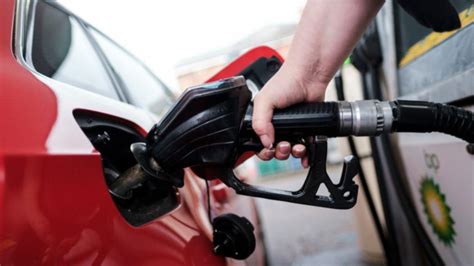
According to the new tariffs, diesel now costs US$1.77 per liter, a steep rise from the previous price of US$1.51. Petrol has also seen a substantial hike, moving from US$1.50 to US$1.71 per liter.
In a statement explaining the adjustment, the regulatory body pointed to external factors beyond the country’s control.
ZERA attributed the worrying rise to “changes in the international market,” specifically citing the volatility sparked by the ongoing hostilities involving the United States, Israel, and Iran.
The ripple effects of the price surge are expected to be felt across Zimbabwe’s economy, with industry analysts predicting an imminent increase in the cost of basic commodities and transport services.
As the war rages in the oil-rich Middle East, the disruption to supply chains is creating a domino effect that will likely touch every sector, from agriculture to retail.
This local price adjustment mirrors a broader global trend.
Since the escalation of bombing campaigns over the weekend, fuel pump prices have crept upward across the United Kingdom and Europe.
The cost of Brent crude, which serves as the international benchmark for oil prices, experienced a dramatic spike, jumping 10 percent to $82 per barrel on Monday.
While prices eased slightly to $78 by Wednesday, markets remain highly volatile.
Commenting on the potential impact on motorists, Britain’s Automobile Association (AA) has issued a stark warning.
The organization stated that record prices at the pump could materialize within the next fortnight if the current trajectory continues.
The conflict is also grounding travelers and emptying wallets in the aviation sector.
The closure of major transit hubs in the Middle East has resulted in thousands of flight cancellations, particularly on routes connecting Europe and Asia.
Passengers left stranded are scrambling for alternatives, only to find limited availability and dramatically inflated fares.
Michelle Wiese Bockmann, a prominent commodities analyst, has been closely monitoring the situation in the airline industry.
She expressed outrage at the pricing strategies being employed by carriers during the crisis.
“Airlines are gouging people who are desperate to get home,” Bockmann alleged in a post on social media platform X.
She provided specific examples of the exorbitant costs travelers are facing to reach destinations like London.
According to Bockmann, desperate passengers have been quoted fares ranging from €2,400 to €3,600, prices she described as exploitative given the circumstances.
Bockmann argued that the situation requires immediate intervention from governing bodies.
“Governments need to step in and take control,” she asserted.
Drawing a sharp comparison to recent global upheavals, she added, “This is worse than the pandemic. Disgraceful.”
Her comments underscore the growing anxiety that without diplomatic resolutions to the military conflict, both fuel security and consumer protection will continue to deteriorate.

0 Comments