
Johnson Progress
Fuel prices are expected to return to normal levels as a breakthrough in US-Iran negotiations paves the way for a peace agreement that could be signed in Switzerland later this week.
Players in Zimbabwe’s petroleum sector say the deal will bring relief to consumers and businesses that have battled elevated energy costs since the start of the conflict.
Global oil markets reacted quickly on Monday.
Officials from both countries confirmed a framework agreement aimed at ending months of tension and reopening the strategic Strait of Hormuz, a key shipping lane for crude.
The news triggered a sharp fall in prices, with Brent crude dropping about five percent to reach its lowest level in three months.
Analysts point out that reopening the Strait is critical for energy security.
Industry experts explained that the passageway carries more than 10 percent of the world’s oil supply, so any disruption pushes costs higher.
With the route set to reopen, investors responded positively and major global stock markets posted significant gains.
The development is likely to have long-term benefits for Zimbabwe’s economy.
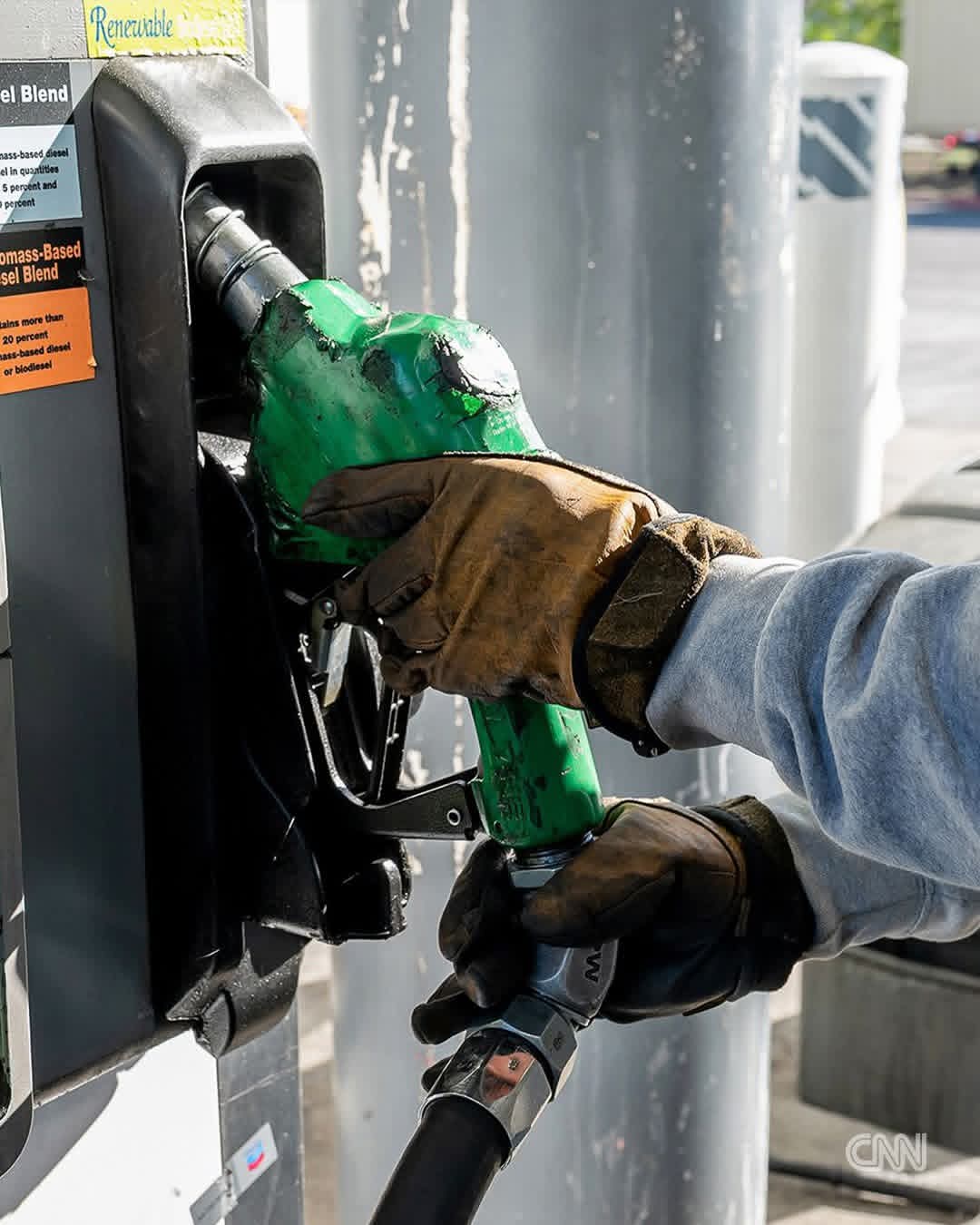
Government adjusted fuel prices in February in response to the conflict, and a sustained drop in global crude could allow those prices to ease back.
Lower input costs for transport and manufacturing would also help slow inflationary pressure.
Local business leaders are optimistic that the agreement will translate directly to the pump.
Entrepreneur Tendai Mashamhanda said he expects the market to normalise once the deal is finalised.
He stated that the likelihood is that prices will go down if this deal materialises, and this is key in terms of normalising the fuel market.
His view reflects a broader expectation in the sector that a stable Strait of Hormuz will remove the risk premium that has kept prices high.
Government intervention has already cushioned the industry during the crisis.
Authorities suspended several taxes on diesel since the conflict began, a move intended to protect transporters and producers from high input costs.
The industry welcomed the tax relief, which helped prevent even steeper price increases while global markets were volatile.
The decline in oil prices has raised expectations of lower fuel costs on international markets.
Traders noted that crude benchmarks falling to three-month lows gives importing countries more room to negotiate better terms.
For Zimbabwe, which imports refined fuel, that could mean cheaper landed costs in the coming weeks.
Consumers and businesses have been grappling with elevated energy prices for months, and the prospect of a price drop is being closely watched.
Transport operators, farmers, and manufacturers all depend on diesel, so any reduction feeds through to food prices, logistics, and production costs.
Petroleum dealers say they will monitor international benchmarks and the signing of the agreement before adjusting retail prices.
They added that the speed of the adjustment will depend on existing stock, exchange rates, and how quickly the Strait resumes normal traffic.
If the Switzerland deal is signed as expected, the risk premium built into crude over recent months could unwind.
That would take pressure off local pricing formulas and create space for government to maintain fiscal balance without relying on emergency tax suspensions.
For now, the market is pricing in hope. Brent at a three-month low, global bourses up, and a peace framework on the table have shifted sentiment.
Should the Strait of Hormuz reopen without further disruption, Zimbabwe’s fuel market could finally settle after a turbulent period, bringing costs back closer to February pre-conflict levels.


0 Comments