
Johnson Progress
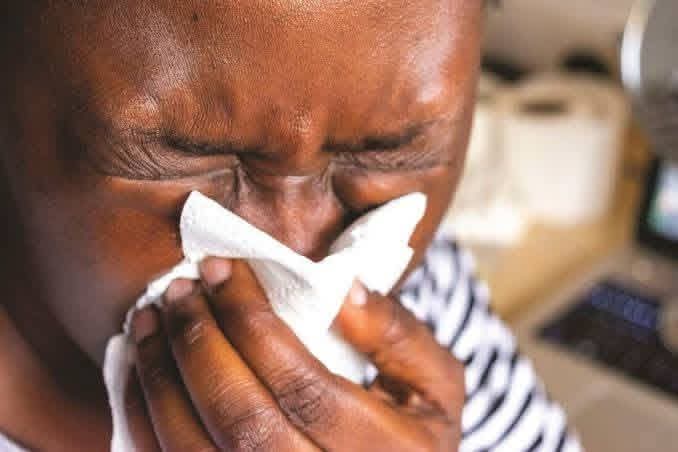
As a wave of flu-like illnesses sweeps through communities across Zimbabwe, leaving hundreds of people bedridden with severe respiratory symptoms, a prominent health expert has moved to calm public fears while issuing a stern warning about the importance of vigilance and early medical intervention.
Dr. Johannes Marisa, president of the Medical and Dental Private Practitioners of Zimbabwe Association and a respected voice in the country’s healthcare sector, has described the current situation as “worrying” but stressed that panic would be counterproductive.
Speaking in an exclusive interview with News team, the physician emphasised that while the bug is causing widespread disruption, Zimbabweans should approach the situation with measured concern rather than fear.
With respiratory illnesses now a permanent feature of the global health landscape, Dr Marisa sought to contextualise the current outbreak within the broader reality of endemic disease.
“There’s no need to panic, of course, because it seems that COVID-19 is now endemic,” Dr Marisa stated firmly.
“When we say endemic, we mean it is among us. We are going to live with it, but people should not delay when they start to develop complications from this respiratory illness.”
The medical practitioner painted a concerning picture of the current health crisis, noting that healthcare facilities are recording alarming numbers of patients presenting with severe respiratory distress.
Expressing deep concern about the scale of the outbreak, the doctor highlighted the diagnostic challenges facing the country’s healthcare system.
“There’s a bug, of course, that is causing havoc today. A lot of people are sick, and a lot of people are in trouble with respiratory illness or infection,” Dr Marisa revealed.
“We are very worried because this bug may be anything. It may be COVID-19, it may not be COVID-19, it may be the seasonal flu caused by influenza type A, type B, or type C. It is not surprising if it is COVID-19.”
The timing of this outbreak has raised particular concern among health authorities.
Dr Marisa pointed to global patterns that suggest the current wave may be connected to emerging variants already causing problems in other parts of the world.
Citing international developments, the health expert drew attention to the interconnected nature of global disease transmission in an era of extensive travel.
“Of course, we are limited by testing at the moment,” Dr Marisa acknowledged.
“It’s not surprising because already in China, Singapore and Southeast Asia, we’ve witnessed some strain of COVID-19, the Nimbus NB1H1, which is actually spreading and which has been causing some headaches there, and America is also reporting the same. So, with globalisation, you know what happens. A lot of people movement is involved, and COVID-19 can land anywhere in this world.”
Throughout the interview, the doctor repeatedly emphasised the critical importance of personal hygiene practices that proved effective during the height of the global pandemic.
He warned that complacency could have devastating consequences for individuals and communities.
Reinforcing the message that prevention remains the most effective weapon against the bug, the health expert urged Zimbabweans to return to the discipline they demonstrated during the COVID-19 emergency.
“So, people should know that this virus can be very stubborn. This virus can spread like the wind. Therefore, there is a need to observe proper hygiene,” Dr Marisa cautioned.
“We used to do hand washing with soap, use sanitiser, and make sure we always wash our hands after handshaking and so forth. So, the same measures that we implemented during the COVID-19 era are the same measures that are needed today in order to contain this bug.”
Urging immediate action from those already affected, the doctor stressed the importance of preventing mild symptoms from escalating into life-threatening conditions.
“Wherever you are, please know, do not allow this bug to develop into a serious complication,” Dr Marisa pleaded.
“Realise the need to avoid complications. Therefore, keep yourself healthy. Keep yourself well hydrated. And make sure you do not get into serious problems.”
Health authorities continue to monitor the situation closely, with Dr Marisa’s warning serving as a stark reminder that the battle against respiratory diseases remains an ongoing challenge requiring constant vigilance and community cooperation.

0 Comments