
Johnson Progress
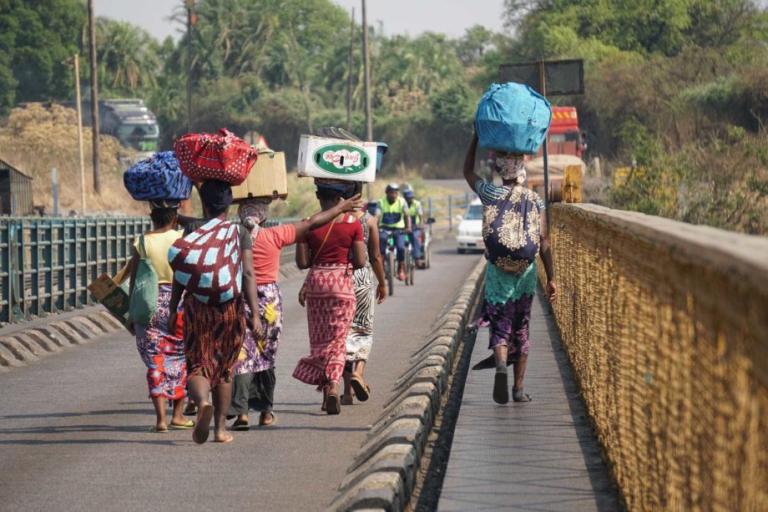
Women working in Zimbabwe’s informal economy are being systematically coerced into sexual relationships with male authority figures in exchange for basic trading rights, including vending spaces, permission to operate in undesignated areas, and licenses to sell restricted goods, a new report has revealed.
The findings, presented at the Informal Sector Women’s Symposium on Gender Justice and Policy Positioning in Gweru, have prompted human rights defenders to demand that “sextortion” be explicitly criminalised under both anti-corruption and gender-based violence laws.
According to the study conducted by the Vendor Initiative for Social and Economic Transformation (VISET), the abuse has become one of the most serious forms of exploitation affecting women in Zimbabwe’s rapidly growing informal economy.
“Women reported sex being demanded in exchange for avoiding arrest, recovering goods and accessing vending spaces,” said Thando Gwinji, a gender and inclusion specialist who presented the findings.
Gwinji’s remarks came after she detailed how women vendors now make up more than two-thirds of Zimbabwe’s street vendors, yet remain almost entirely excluded from economic power.
She described vending spaces as “battlefields” marked by police raids, confiscation of goods, extortion, theft and sexual harassment.
“Sextortion has become one of the most serious forms of abuse affecting women in the informal economy,” Gwinji told attendees at the symposium organised by VISET.
The study found that some women are allegedly forced to provide sexual favours in return for protection from arrest, the recovery of confiscated goods, or simply to secure a patch of pavement from which to sell.
Others reported being targeted by men in local council and law enforcement positions who demand sex as a condition for turning a blind eye to trading in restricted goods or undesignated areas.
In one account documented by researchers, a vendor said she had been repeatedly harassed by a municipal officer who threatened to have her goods destroyed unless she complied with his sexual demands.
Another woman said she was forced to end her business after refusing to sleep with a local official, losing both her stock and her source of income.
Human rights defenders at the symposium argued that current laws fail to address the unique nature of sextortion, which blends corruption and sexual violence.
They called for amendments to Zimbabwe’s Criminal Code and Gender-Based Violence Act to explicitly criminalise the act of demanding sexual favours in exchange for official duties or access to economic opportunities.
“This is not just corruption. This is gender-based violence,” one participant said.
“Until the law names it, women will continue to suffer in silence,” she added.
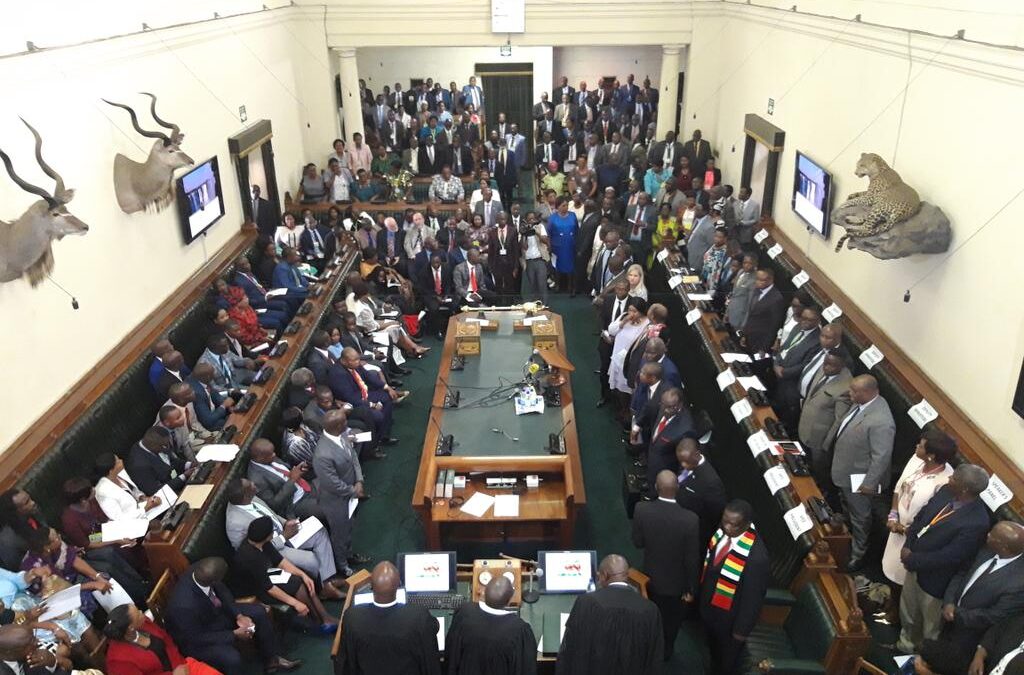
VISET has vowed to take the findings to parliament, urging lawmakers to recognise sextortion as a distinct crime.
Meanwhile, women vendors in Gweru say they live in daily fear of raids, confiscations, and predators who exploit their desperation.
As one vendor put it: “We are not selling our bodies. We are trying to feed our children. But they make us choose.”

0 Comments